Marriage is meant to be a partnership built on trust, love, and mutual respect. However, when things go wrong, a relationship can become unhealthy, emotionally draining, and even harmful.
Recognizing the signs of a toxic marriage is crucial, as ignoring these red flags can lead to long-term emotional and psychological damage. In this article, we’ll explore the common signs of a toxic marriage and why it’s important to address them early before they escalate.
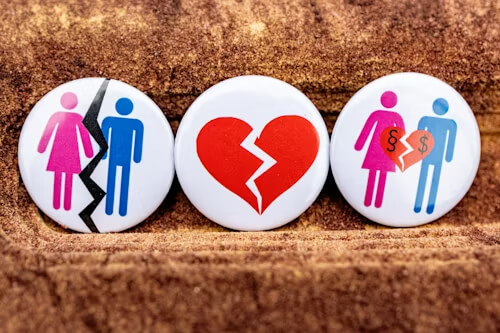
What is a Toxic Marriage?
A toxic marriage refers to a relationship where one or both partners engage in behaviors that undermine the well-being of the other.
These behaviors can range from emotional abuse and manipulation to constant criticism and neglect. In a toxic marriage, the emotional health of both partners is often compromised, leading to an imbalance of power, trust, and love.
Unlike normal relationship struggles, where partners might face challenges but are committed to working through them, a toxic marriage creates a persistent cycle of negativity that erodes the bond between partners.
Signs of a Toxic Marriage
Constant Criticism and Belittling
One of the most prominent signs of a toxic marriage is persistent criticism. While constructive criticism can be helpful in any relationship, in a toxic marriage, one or both partners regularly belittle or criticize the other in a hurtful manner. This could involve mocking your partner’s appearance, intelligence, or abilities, which can significantly damage their self-esteem over time.
If you feel consistently judged, attacked, or undermined by your spouse, this is a sign of toxicity. Healthy relationships should encourage growth and self-improvement, not tear each other down.
Lack of Communication
In any marriage, communication is key. However, in a toxic marriage, communication often breaks down. This can manifest in various ways—whether it’s avoiding difficult conversations, yelling instead of having calm discussions, or completely shutting down when there’s an issue.
When communication is consistently poor, misunderstandings and resentment build up. This emotional distance can further alienate both partners, making it harder to resolve conflicts or even feel connected. If your spouse refuses to communicate or withdraws emotionally during arguments, it’s a clear sign that things are heading in a toxic direction.
Controlling Behavior
A toxic marriage often involves one partner trying to control the other. This can range from subtle manipulation to overt control, such as monitoring where you go, whom you talk to, or how you spend your time. In extreme cases, this control can extend to your finances, social interactions, or even personal choices.
Healthy marriages are based on trust and mutual respect, where both partners have the freedom to make their own decisions. If you feel like your spouse is constantly trying to dominate your choices or restrict your freedom, this is a major red flag.
Emotional and Physical Abuse
Perhaps the most serious sign of a toxic marriage is any form of abuse—whether emotional, physical, or psychological. Abuse can take many forms, including shouting, name-calling, gaslighting, physical violence, or manipulation. Emotional abuse, in particular, is often subtle but deeply damaging, involving tactics such as guilt-tripping, playing mind games, and trying to make you feel crazy or overly sensitive.
If you or your spouse are engaging in abusive behavior, whether physical or emotional, this is a severe sign that the relationship is toxic and dangerous. No one should ever feel afraid or unsafe in a marriage.
Constant Resentment and Unresolved Conflict
Every marriage faces challenges and disagreements. However, in a toxic marriage, conflicts are rarely resolved in a healthy way. Instead of working through issues, one or both partners may hold on to resentment, allowing small problems to fester into bigger ones.
This unresolved tension can create an atmosphere of hostility and bitterness, making it difficult for the marriage to thrive.
When partners stop working together to solve problems and start focusing on grudges, the emotional connection weakens. If you find yourselves constantly arguing or unable to resolve disagreements, it’s important to address the underlying issues before they become even more entrenched.
Lack of Support and Affection
A lack of emotional support and affection can also signal a toxic marriage. When you’re in a healthy relationship, you should feel supported by your partner in both good and bad times. However, in a toxic relationship, one or both partners may withdraw emotionally, leaving the other person feeling unsupported and alone.
In some cases, this lack of support can also manifest as a lack of physical affection. If your spouse is no longer affectionate, whether through hugs, kisses, or simple gestures of love, it could indicate emotional detachment, which can lead to further isolation.
Jealousy and Possessiveness
While it’s natural to feel protective of your partner, jealousy and possessiveness in a toxic marriage can become obsessive. If one partner constantly accuses the other of infidelity, monitors their whereabouts, or seeks to control their social interactions, the relationship has become unhealthy. This kind of behavior erodes trust and creates an atmosphere of insecurity and fear.
Jealousy, in moderation, can sometimes stem from love, but when it crosses into controlling and possessive behavior, it becomes toxic. It’s important to foster trust and independence in a marriage, rather than creating an environment based on constant suspicion.
Loss of Individual Identity
In a toxic marriage, one or both partners may lose their sense of individuality. This could be due to one partner becoming overly dependent on the other for emotional validation, or it could result from the relationship consuming so much time and energy that each person forgets their personal interests and goals.
A healthy marriage should support each person’s growth and development as an individual. If you feel like you’ve lost your sense of self or are constantly putting your partner’s needs above your own, it’s a sign that the relationship has become unhealthy.
What to Do If You Recognize These Signs
If you recognize these signs of a toxic marriage, it’s important to take action. The first step is to acknowledge the problem. Denial or avoidance will only make the situation worse.
Seek Marriage Therapy
Therapy can be incredibly helpful in addressing the underlying issues that cause a toxic marriage. A marriage counselor can help you and your partner communicate more effectively, rebuild trust, and work through difficult emotional problems. If both partners are committed to improving the relationship, therapy can provide the necessary tools and support to make positive changes.
Set Boundaries
If the relationship involves controlling, abusive, or manipulative behavior, it’s crucial to set boundaries to protect your emotional and physical well-being. Establishing clear boundaries about what is acceptable behavior and what isn’t can help prevent further harm.
Consider Separation
In some cases, the best way to protect yourself from a toxic marriage is to separate. If the relationship is causing harm and therapy has not helped, taking time apart can give both partners the space needed to evaluate the relationship and determine the next steps.
Reach Out for Support
Dealing with a toxic marriage can be emotionally exhausting. It’s important to reach out to trusted friends, family, or support groups for guidance and encouragement. Talking to others who have gone through similar experiences can provide comfort and clarity.
Conclusion: Recognize and Address Toxicity Early
A toxic marriage can take a toll on both partners, leading to emotional, physical, and psychological harm. Recognizing the signs of toxicity early on is essential in preventing long-term damage. Whether it’s through therapy, setting boundaries, or seeking support, there are steps you can take to address the issues in your marriage and work towards a healthier, more fulfilling relationship.
If you’re in a toxic marriage, don’t ignore the signs. Take the necessary steps to protect your well-being, and remember that you deserve a relationship built on love, respect, and mutual support.
Sources:
- Various relationship counseling insights and marriage therapy studies.
